

Featured Projects
Project Spotlight
Fertilizer Africa Response (FAR) Phase 2
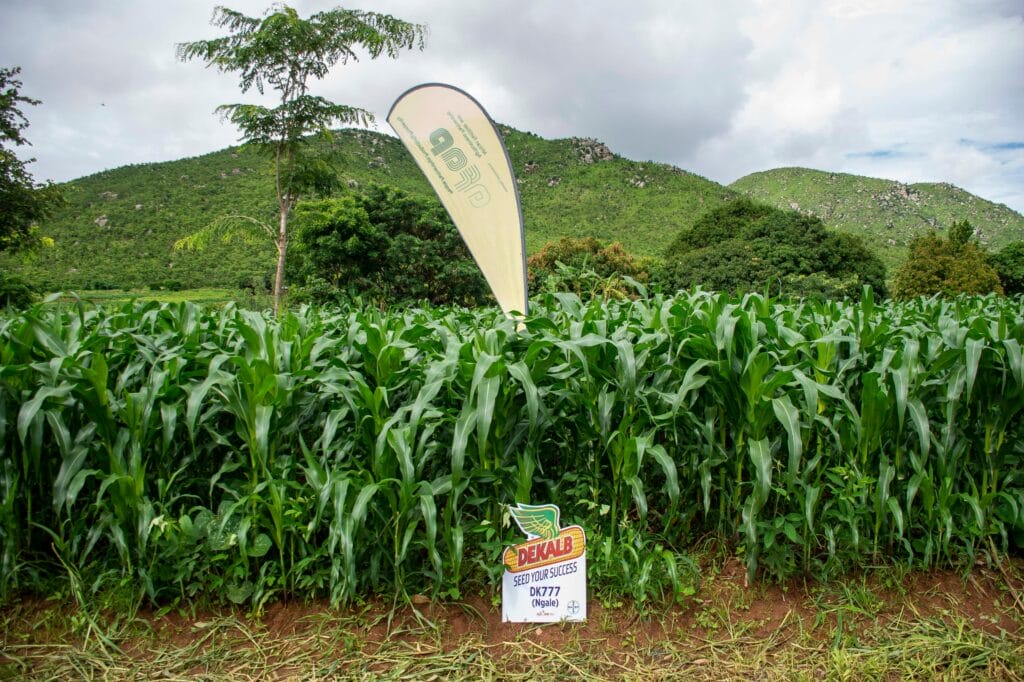
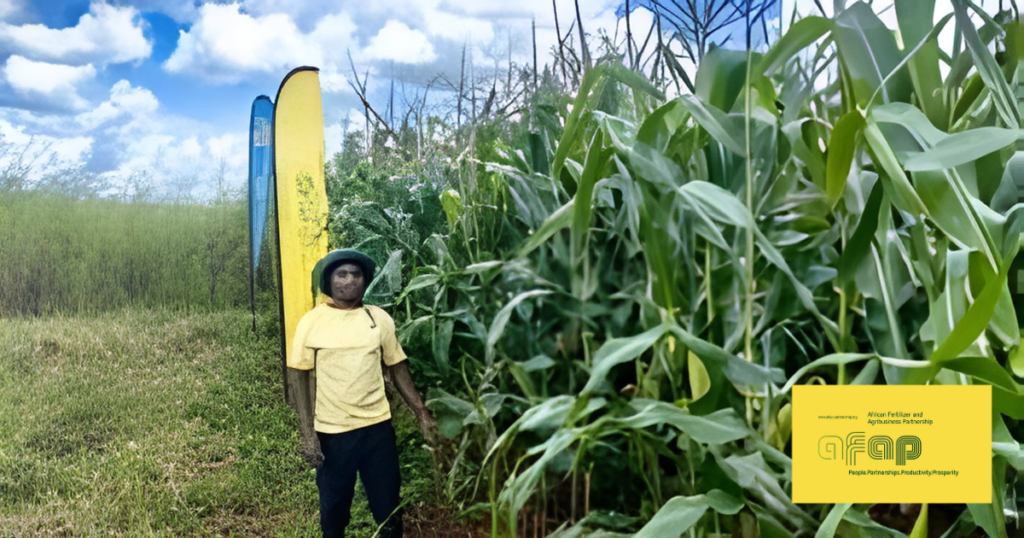
The Fertilizer Africa Response (FAR) Phase 2 project represents AFAP’s commitment to scaling sustainable agricultural practices amid climate challenges. Implemented in Mozambique, this initiative focuses on the sustainable diversification and intensification of cereal, legume, and vegetable crop production through the adoption of climate-adapted technologies and best practices.
Key Objectives
Enhance smallholder farmer resilience by introducing drought-resistant seeds, precision fertilizer application, and integrated pest management.
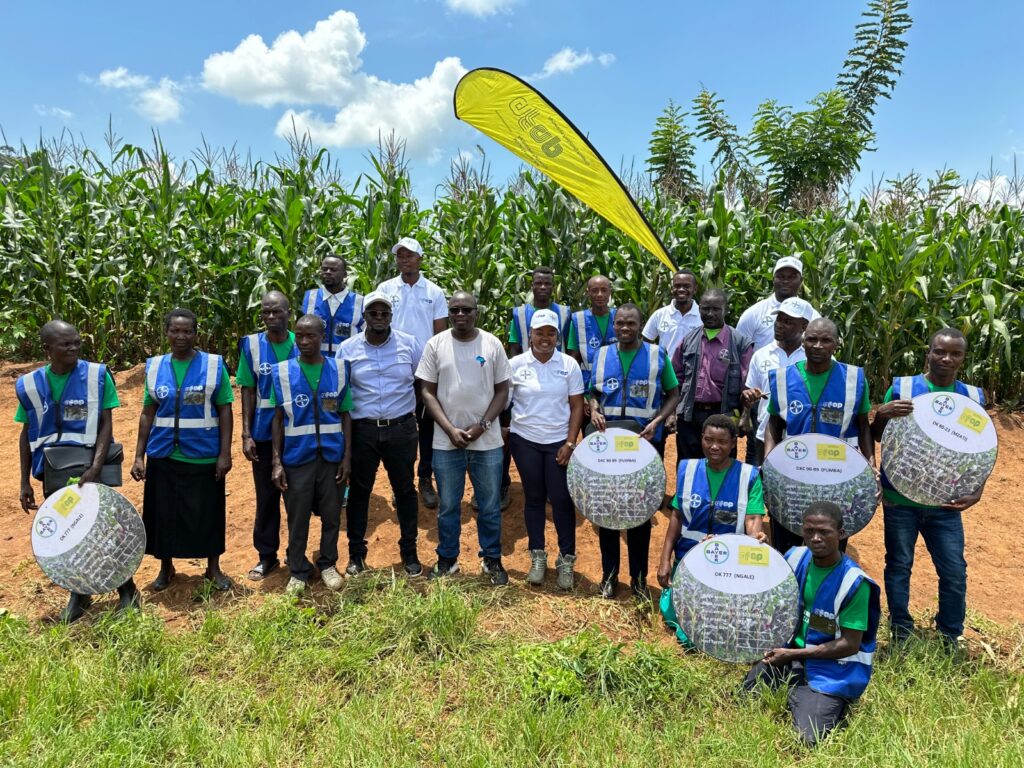
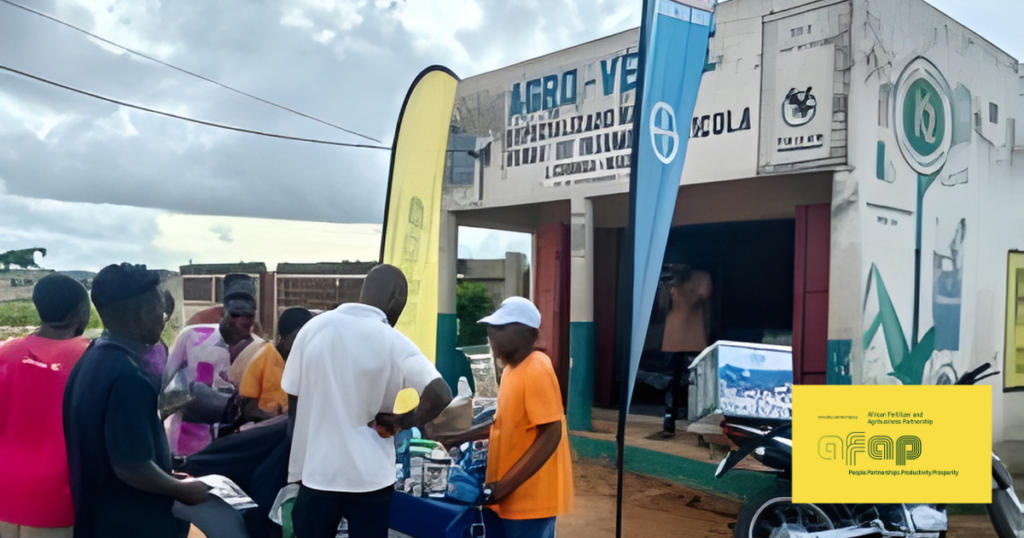
Build capacity among 50,000+ farmers and 500 agro-dealers through hands-on training and demonstration plots.
Strengthen market linkages to ensure access to affordable inputs and off-take agreements for increased incomes.
Partners and Implementation:
Collaborating with USAID, local NGOs, and private input suppliers, FAR Phase 2 operates in high-potential regions such as Manica and Sofala provinces. Launched in 2022, the project has already achieved a 25% average yield increase in pilot areas, contributing to food security and reduced import dependency.
Impact Highlights:
Over 30,000 farmers trained; 10,000 hectares under improved practices; projected economic benefit of $5 million in enhanced farmer revenues by 2025. This project exemplifies AFAP’s market-driven approach to transforming African agriculture.
All Projects
| Name | Donor | Focus | Country / Region |
|---|---|---|---|
| Fertilizer Africa Response (FAR) Phase 2 | USAID | Scaling sustainable agricultural practices amid climate challenges; sustainable diversification and intensification of cereal, legume, and vegetable crop production through climate-adapted technologies and best practices; enhance smallholder farmer resilience. | Mozambique |
| Emergency Response for Food Systems in Sub-Saharan Africa | USAID, Regional Governments | Provides urgent support to mitigate the impacts of the global “cost of living” crisis on fertilizer supply chains; offering price relief mechanisms, subsidized inputs, and rapid distribution networks. | Multi-Country (Sub-Saharan Africa) |
| Beira Corridor Initiative – Southern Africa | AfDB, Local Agri-SMEs | Boosting smallholder productivity along the Beira Corridor; delivers fertilizers, improved seeds, chemicals, and financial access while promoting best agricultural practices and market linkages. | Southern Africa |
| YARA Support Activities Multi-Country | YARA International | Non-USAID funded components include baseline farmer surveys, retailer monitoring, media campaigns, and program promotion to enhance balanced nutrition adoption and input market efficiency. | East & Southern Africa |
| Zambia Agricultural & Rural Household Food Security Intervention (Sustain Africa) | SIDA, Zambian Ministry of Agriculture | Focuses on last-mile distribution of improved inputs and fertilizers, demand creation via farmer training, and robust monitoring to secure household food access in rural Zambia. | Zambia |
| Cocoa Fertilizer Initiative – West Africa | IDH Sustainable Trade Initiative | Develops agro-input markets to improve fertilizer access, quality, and application for smallholder cocoa farmers, enhancing yields and sustainability. | West Africa |
| Africa Fertilizer Financing Mechanism (AFFM) – Tanzania Focus | AfDB, Local Banks | Provides partial credit guarantees ($2 million initial tranche) to hub agro-dealers, enabling inventory expansion and farmer outreach. | Tanzania (East Africa) |
| FAPA Grant Agreement for Local Fertilizer Supply | Fund for African Private Sector Assistance (FAPA), AfDB | Supports localized fertilizer production and distribution, aligning with AfDB’s Feed Africa strategy to reduce import reliance. | West & Southern Africa |
| CRU and AFAP Strategic Partnership – Continental | CRU Group | Joint consultancies, events, and market intelligence platforms to advance African fertilizer trade (including virtual forums during COVID-19). | Continental (Multi-Country) |
