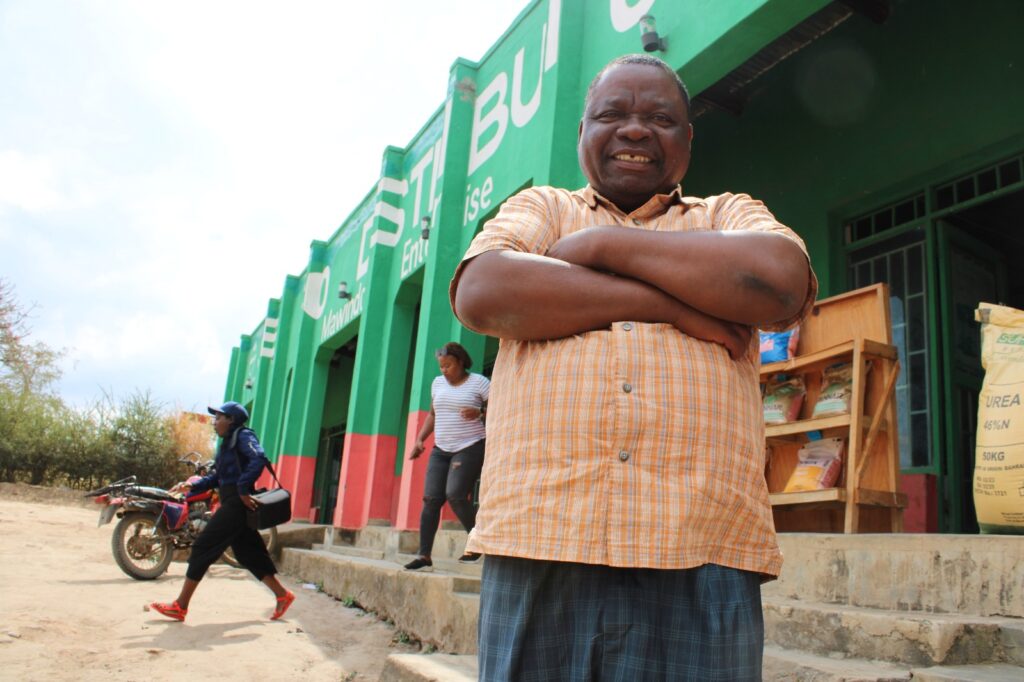
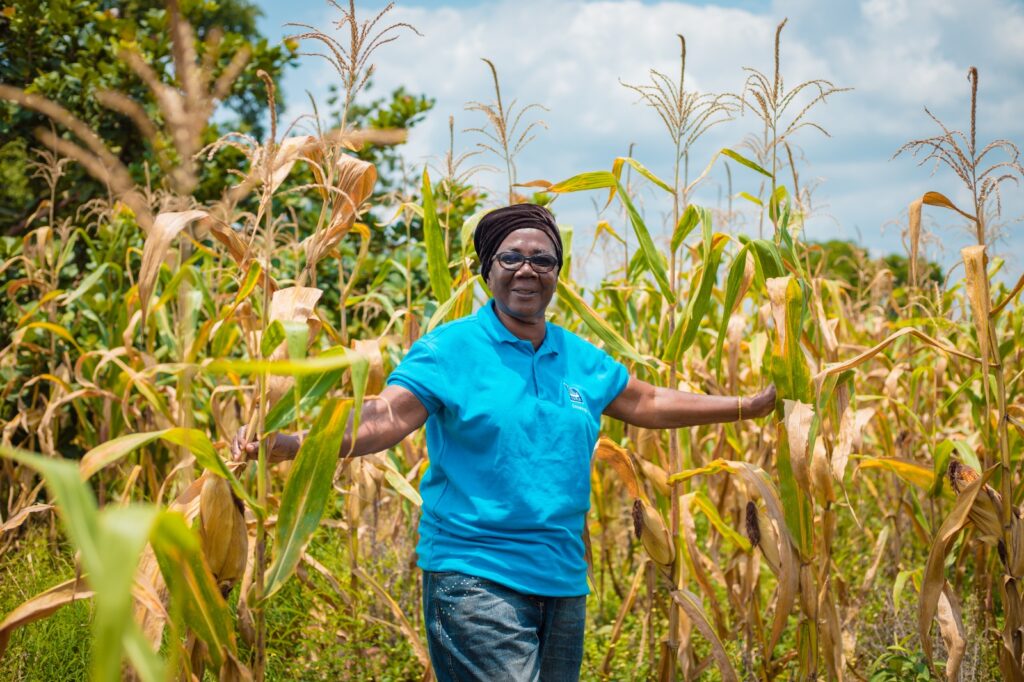
AFAP delivers innovative advisory and implementation services to both the public and private sectors, helping design and execute projects and policies that strengthen fertilizer and agribusiness markets. By combining technical expertise with entrepreneurial innovation, AFAP builds competitive, inclusive value chains that enhance smallholder productivity and profitability.
Through its Agribusiness Partnership Contract (APC) mechanism, AFAP provides access to trade finance for fixed assets and inventory, while linking hub agro-dealers and smallholder farmers to global fertilizer and food companies, balanced crop nutrition products, technology providers, financiers, and equipment suppliers. In doing so, AFAP creates lasting partnerships that expand market access, improve input distribution, and unlock Africa’s vast agricultural potential.
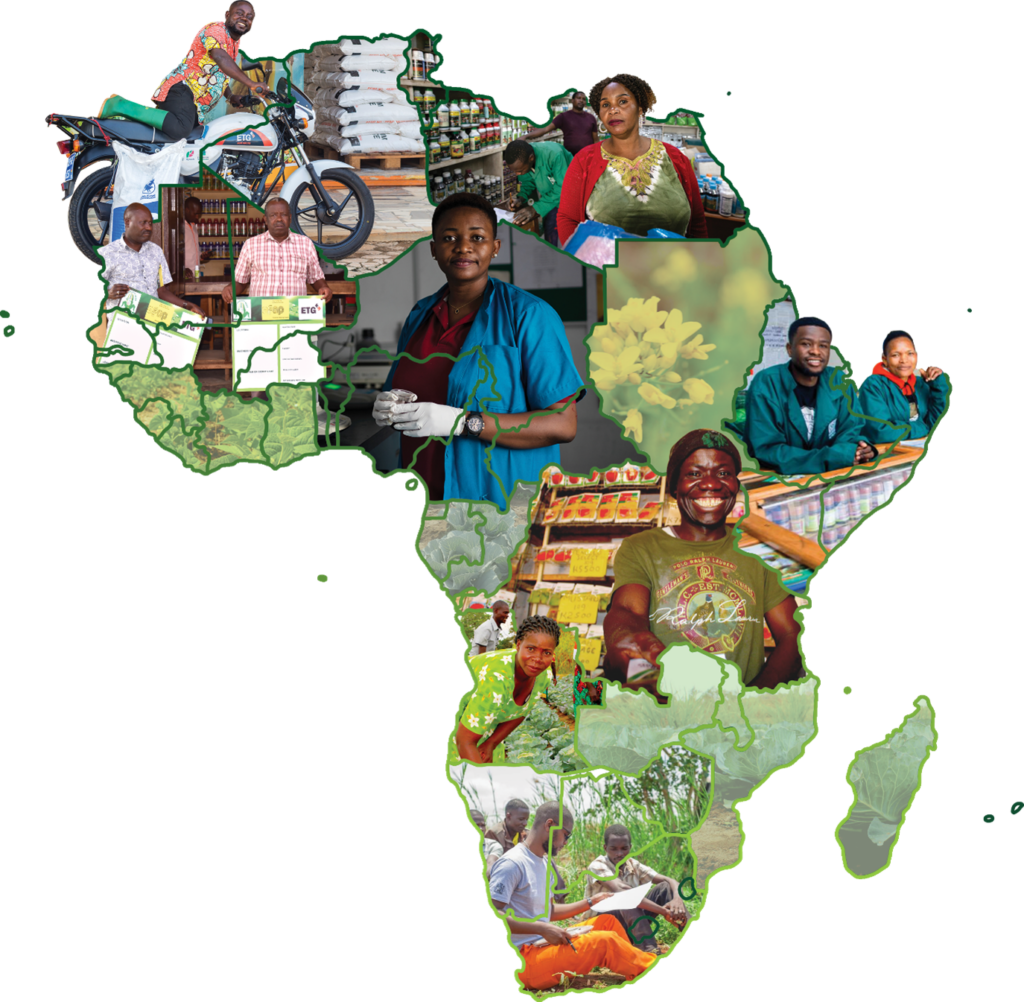
AFAP operates through a regionally focused structure with three regional headquarters: Mozambique serves as the Southern Africa Regional Headquarters, overseeing operations in Malawi, South Africa, and Zambia. Ghana is the West Africa Regional Headquarters, supporting activities in Nigeria, while Kenya functions as the East Africa Regional Headquarters, coordinating efforts in Tanzania and Uganda. Additionally, AFAP is exploring the possibility of establishing an office in Madagascar. AFAP combines technical expertise, entrepreneurial innovation, and a unique, continental perspective.